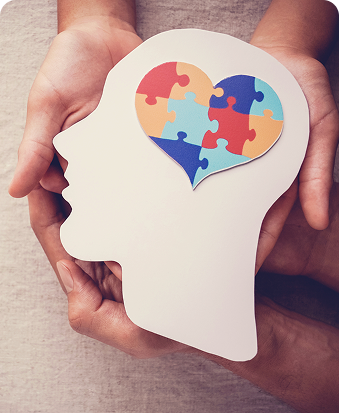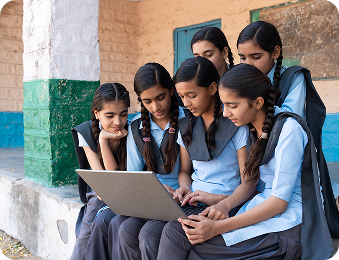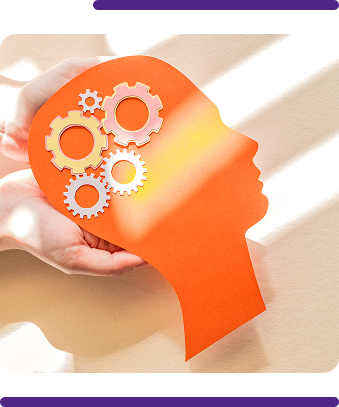





The central objective of the program is not diagnosis but early recognition, emotional awareness, wellness promotion, and strengthening of resilience. The initiative aims to create emotionally accessible pathways that help students understand their emotional well-being and encourage timely support-seeking behaviour.
A major component of the initiative involves use of digitized psychometric tools developed specifically for screening and understanding emotional-health indicators. These tools were designed and culturally adapted within the Indian context to ensure contextual relevance and better applicability among local student populations.
Development involved literature review, domain identification, item generation, expert consultation, pilot testing, psychometric evaluation, and validation procedures. The tools underwent systematic testing for reliability and validity, and findings from developmental studies have been published in peer-reviewed scientific work.
The Digital Psychometric System Evaluates
- Severity of stress
- Sources of stress
- Emotional and mental-health symptom indicators
- Risk factors
- Resilience level and positivity
- Functioning level and wellness status
This multidimensional framework recognizes that emotional well-being cannot be understood solely through symptom measurement. Students differ substantially in their experiences, strengths, vulnerabilities, and coping resources.
The psychometric findings are interpreted through an algorithm-based decision framework developed using available clinical guidelines, literature evidence, and findings from validation studies.
Importantly, the platform does not provide psychiatric diagnosis, nor does it replace comprehensive assessment by mental-health professionals. The system is intended solely as a screening and wellness-support mechanism. Emotional experiences remain complex and require contextual interpretation. Therefore, psychometric findings should always be interpreted cautiously and within broader clinical understanding.
Students experiencing emotional distress are strongly encouraged to contact their institutional counsellors, mental-health professionals, or available support systems. Individuals requiring immediate assistance are advised to access Tele-MANAS (14416) or local emergency support services.
Following completion of assessment, users receive wellness-oriented feedback and recommendations. The system guides students toward self-development and wellness pathways rather than focusing exclusively on symptoms. Recommendations may include general methods for improving emotional well-being and maintaining healthy daily routines.
The wellness program combines education, awareness, and practical self-care approaches delivered through web-based platforms. The objective is to help students actively participate in strengthening emotional well-being and lifestyle practices.
Support should begin before suffering becomes severe.
By combining early identification, culturally relevant psychometric systems, mental-health education, and wellness programs, the initiative seeks to reduce treatment gaps and strengthen emotional well-being through preventive and accessible pathways.
Program Overview: Student Mental Health Empowerment through Digital Self- Assessment
1. What is the Program?
A digital mental health program that provides students with 24x7 access to scientifically validated self-assessment tools and culturally integrated support for psychological well-being. It is designed as a safe, confidential, and empowering resource for early identification, awareness, and self-guided care.
2. Who is the Beneficiary?
University and college students (ages 18–30), especially those facing academic stress, emotional challenges, identity issues, or general mental fatigue. Institutions, educators, counselors, and parents also benefit indirectly through improved student well-being.
3. How It Works
Students log in to the digital platform and complete brief, evidence-based psychological assessments. They receive personalized feedback and options for next steps: self-care, family discussion, connecting with university counselors, or consulting mental health professionals integrated into the program.
4. What is the Principle?
The core philosophy is student empowerment—equipping individuals with tools for self- awareness, early identification of mental health risks, and informed decision-making, within a culturally sensitive and stigma-free ecosystem
5. Why Should Someone Use It?
- Confidential, stigma-free access
- Early detection of distress
- Encourages self-help and mental growth
- Connects to support services
- Promotes autonomy, awareness, and emotional resilience
6. What is the Cost?
Absolutely free of cost for students and universities. There are no usage limits or subscription fees. It is offered as a public mental health initiative under the Mansik Shakti Foundation.
7. How Was It Developed?
The program was co-designed by psychiatrists, psychologists, educators, and digital experts, following consultations with academicians and policymakers. It is based on original Indian research (MASS battery) and aligned with global best practices.
8. What is the Outcome?
- Increased self-awareness
- Early detection of emotional distress and psychological symptoms
- Strengthened peer, family, and counselor engagement
- Promotion of positive mental health behaviors
- Integration of traditional Indian well-being practices
9. What Are the Merits?
- Validated tools for Indian students and published
- Confidential and stigma-free
- Linkage to both modern and cultural mental health support
- Promotes autonomy and reduces help-seeking delay
10. What Are the Limitations?
- It is not a substitute for clinical diagnosis
- Needs digital literacy and internet access
- Effectiveness depends on user motivation and institutional follow-up
- May require cultural adaptation for non-urban or vernacular populations